AHA (glycolic/lactic)
Surface exfoliation: texture, tone and radiance.
What the evidence says
Established clinical efficacy; lactic acid is gentler for dry skin.
How to use it
Start with 1–2 nights per week on clean, dry skin and increase frequency as tolerated. Always at night, and sunscreen the next day is non-negotiable: AHAs increase skin photosensitivity for days.
What it pairs with
Pairs well with hydrators (hyaluronic acid, ceramides, panthenol). Avoid stacking it the same night as retinoids or pure vitamin C: not dangerous, but it multiplies irritation without adding benefit. Alternate nights.
Frequently asked questions
Is glycolic acid an AHA?
Yes. It's the best-known alpha-hydroxy acid (AHA) and the one with the smallest molecule, which makes it the most potent — and also the most irritating. The other common AHAs are lactic, mandelic, malic and tartaric acid.
Is lactic acid an AHA too?
Yes. Its molecule is larger than glycolic acid's, so it penetrates more slowly and irritates less. It's also a humectant: it exfoliates and hydrates at the same time. It's the recommended AHA for dry or sensitive skin starting out with exfoliation.
AHA vs BHA: what's the difference?
AHAs are water-soluble and work at the surface: texture, tone and radiance. BHA (salicylic acid) is oil-soluble and gets inside the pore: acne, blackheads and excess oil. Dry/dull skin → AHA; oily/acne-prone skin → BHA. You can alternate them.
How often can I exfoliate with AHAs?
For most skin, 1–3 nights a week is plenty. If you notice tightness, persistent redness or a "plastic-like" shine, you're over-exfoliating: stop for a few days and repair the barrier with ceramides and panthenol.
Products with aha (glycolic/lactic) in the comparator
-
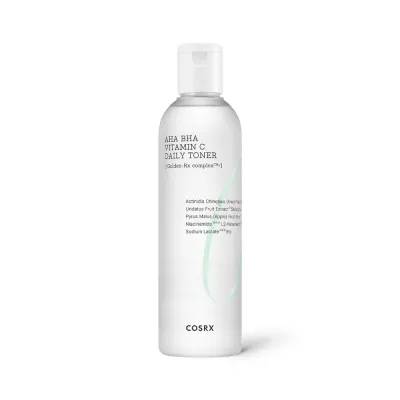 COSRX Cosrx refresh aha bha vitamin c daily toner 150 ml from 14,95 €
 -
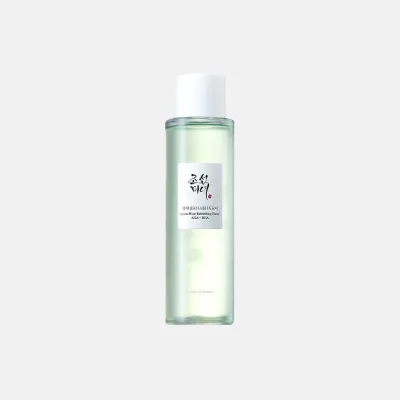 Beauty of Joseon Beauty of Joseon Refreshing Toner: Green Plum + AHA + BHA from 17,90 €
 -
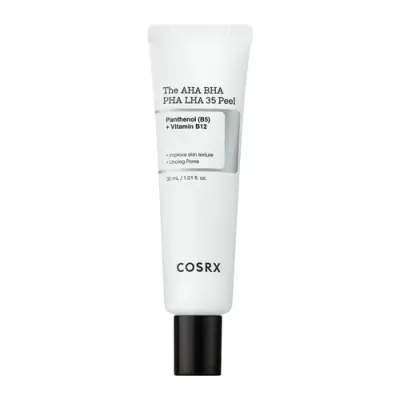 COSRX The AHA BHA PHA LHA 35 Peel from 21,99 €
 -
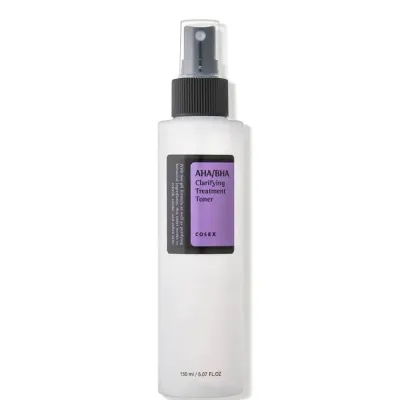 COSRX Cosrx aha/bha clarifiying treatment toner 150 ml from 23,00 €
 -
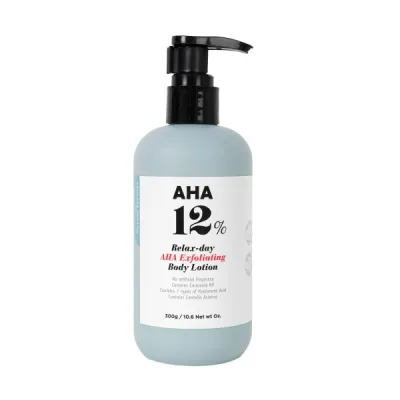 Village 11 Factory Relax Day AHA Exfoliating Body Lotion from 20,99 €
 -
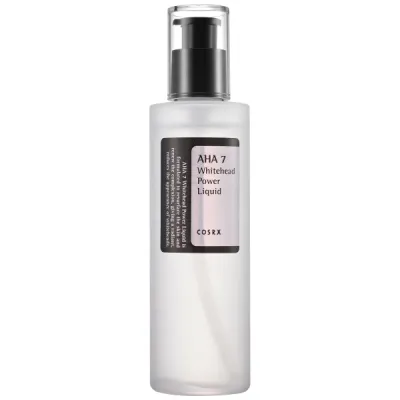 COSRX Aha 7 Whitehead Power Liquid from 25,00 €
 -
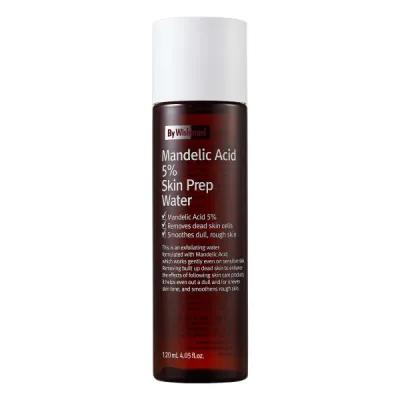 By Wishtrend Mandelic Acid 5% Skin Prep Water
 -
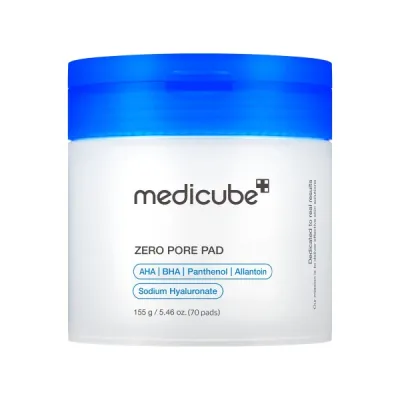 Medicube medicube Zero Pore Pad 2.0 from 24,90 €
 -
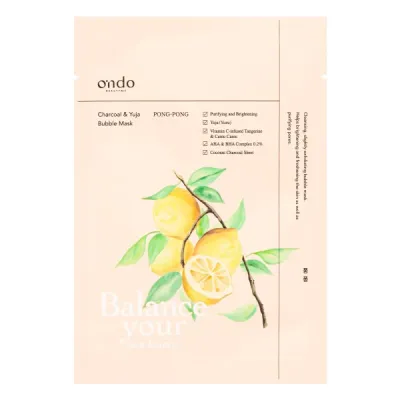 Ondo Beauty 36.5 Charcoal & Yuja Bubble Mask from 3,99 €
 -
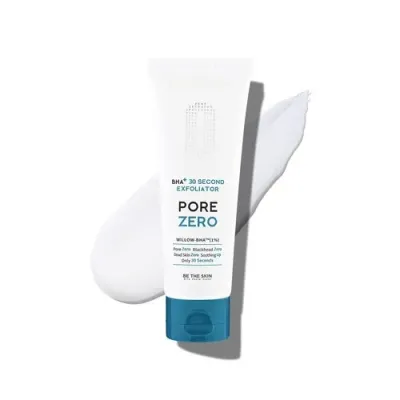 Be The Skin BHA + Pore Zero 30 Second Exfoliator from 12,95 €
 -
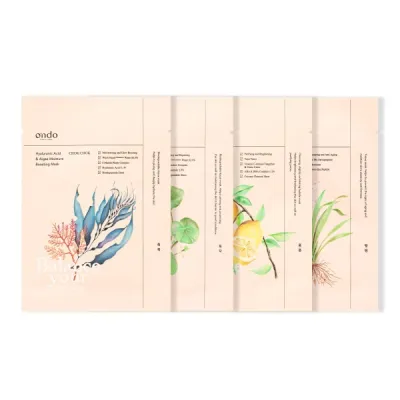 Ondo Beauty 36.5 Pack de 4 Mascarillas Faciales Ondo Beauty 36.5 from 14,00 €
 -
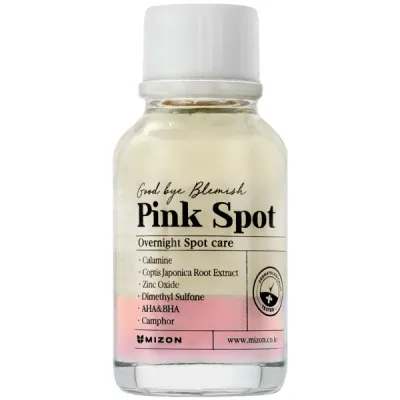 Mizon Goodbye Blemish Pink Spot from 19,99 €