Centella asiatica (Cica)
Calms redness and supports repair; very popular for sensitive skin.
What the evidence says
Promising but still-limited human evidence; depends on the active fraction.
How to use it
Morning and night, no restrictions: it doesn't irritate or photosensitize. As a toner, serum or cream, it's the soothing base to build a reactive-skin routine on — or the cushion that makes retinoids and exfoliants easier to tolerate.
What it pairs with
Compatible with everything. It makes particular sense alongside potentially irritating actives (retinoids, AHA/BHA, pure vitamin C) to offset their redness.
Frequently asked questions
What is the "cica" in Korean products?
It's the commercial shorthand for Centella asiatica, a plant used for centuries in traditional Asian medicine. Korean "cica" products contain the plant extract or its purified active fractions (madecassoside, asiaticoside) for soothing and repair.
Centella extract or madecassoside: which is better?
Madecassoside (and asiaticoside) are the purified active molecules: better-controlled dosing, and where most of the evidence sits. A generic "extract" may contain a lot or almost none. For real effect, favor formulas that declare the active fraction.
Does centella help with acne?
It doesn't treat the cause of acne (that's what BHA or retinoids are for), but it does calm the redness and inflammation that come with it, and helps skin repair. That's why so many Korean anti-acne treatments combine it with exfoliants.
Products with centella asiatica (cica) in the comparator
-
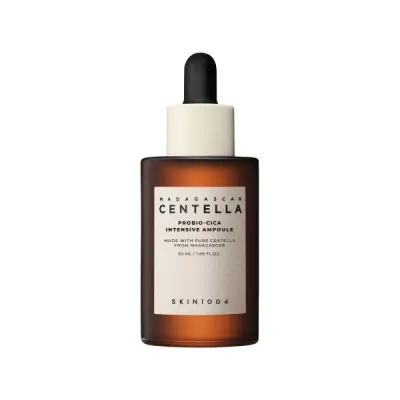 SKIN1004 SKIN1004 Madagascar Centella Probio-Cica Intensive Ampoule from 11,90 €
 -
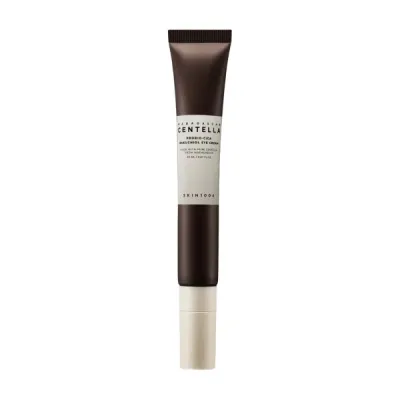 SKIN1004 SKIN1004 Madagascar Centella Probio-Cica Bakuchiol Eye Cream from 23,99 €
 -
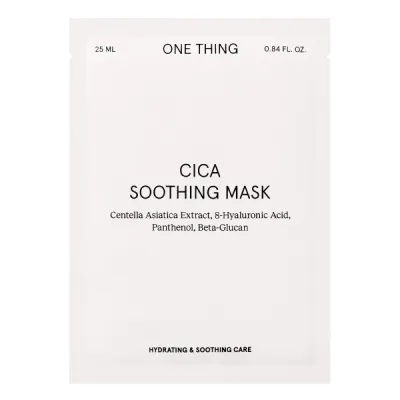 One Thing Cica Soothing Mask from 3,59 €
 -
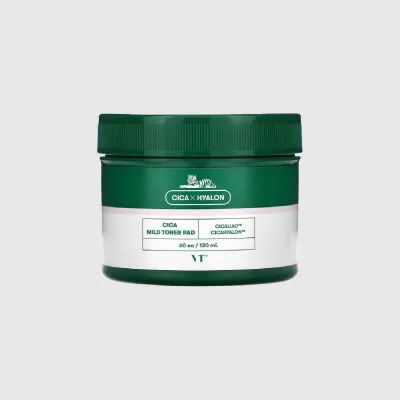 VT Cosmetics VT COSMETICS Cica Mild Toner Pad from 12,90 €
 -
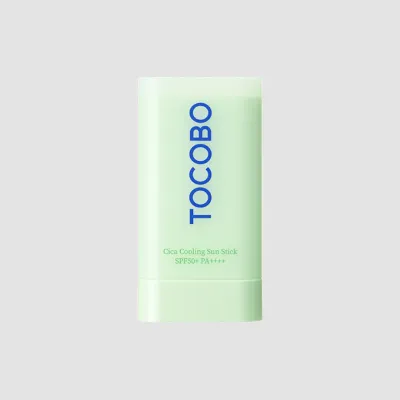 Tocobo TOCOBO Cica Cooling Sun Stick SPF50+ PA++++ from 13,51 €
 -
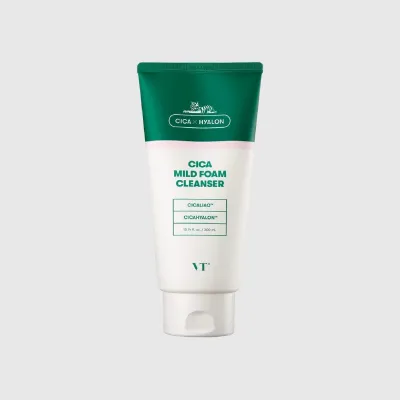 VT Cosmetics VT COSMETICS Cica Mild Foam Cleanser from 14,90 €
 -
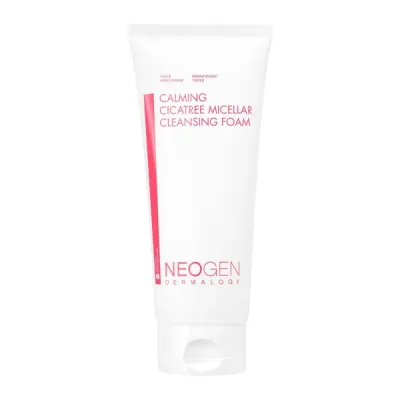 Neogen Dermalogy Calming Cica Tree Micellar Cleansing Foam from 16,99 €
 -
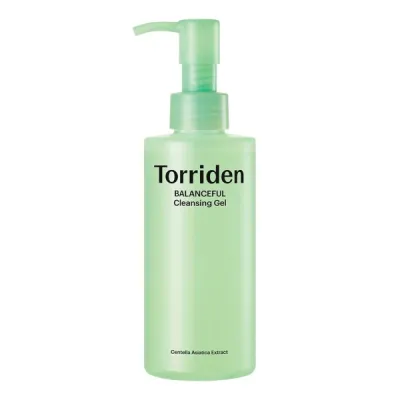 Torriden Balanceful Cica Cleansing Gel from 17,99 €
 -
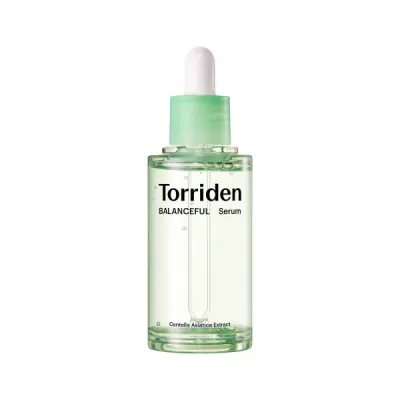 Torriden Balanceful Cica Serum from 17,99 €
 -
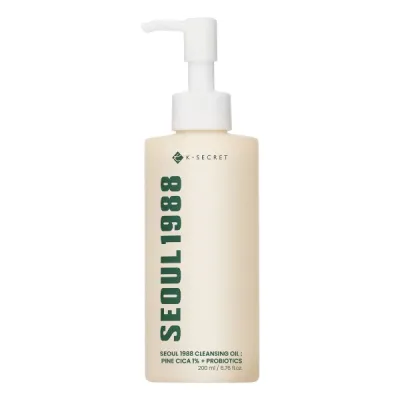 SEOUL 1988 by K-SECRET Cleansing Oil : Pine Cica 1% + Probiotics from 18,99 €
 -
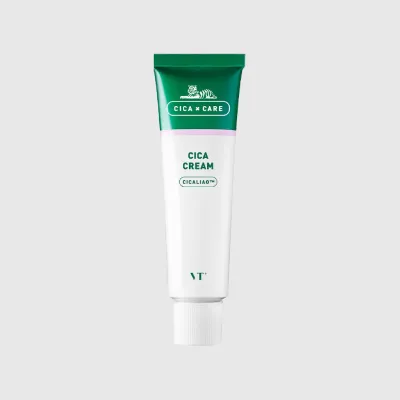 VT Cosmetics VT COSMETIC Cica Cream from 19,90 €
 -
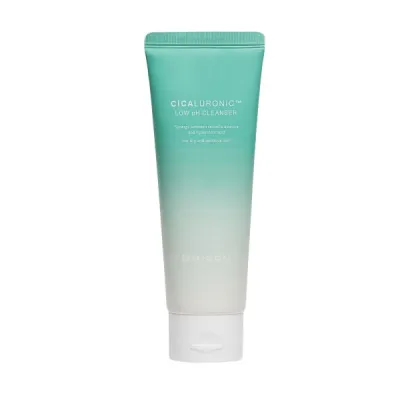 Mizon Cicaluronic Low Ph Cleansing Foam from 19,99 €