Green tea
Antioxidant: reduces oxidative stress and calms skin.
What the evidence says
Human evidence for its polyphenols (EGCG) against UV damage.
How to use it
Morning makes the most sense: as an antioxidant it complements sunscreen against UV and pollution damage. Night works too, for soothing. Look for formulas that specify EGCG or polyphenols, not just "green tea extract" at the end of the INCI.
What it pairs with
With vitamins C and E (antioxidant network), niacinamide and sunscreen. No known incompatibilities.
Frequently asked questions
What is EGCG and why does it matter?
Epigallocatechin gallate is green tea's most active polyphenol, and it's where the evidence sits: human studies show it reduces UV-induced damage and redness. A generic "green tea extract" may contain very little; the active fraction is what counts.
Does green tea help oily skin?
Small studies suggest a modest sebum reduction, and its soothing action suits reactive oily skin. But if oil or acne is your main goal, niacinamide and BHA have more evidence behind them.
Products with green tea in the comparator
-
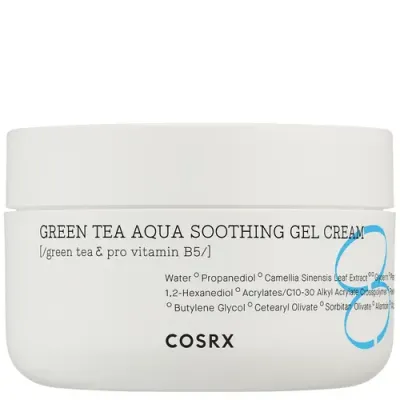 COSRX CosRx Hydrium Green Tea Aqua Soothing Gel Cream from 36,99 €
 -
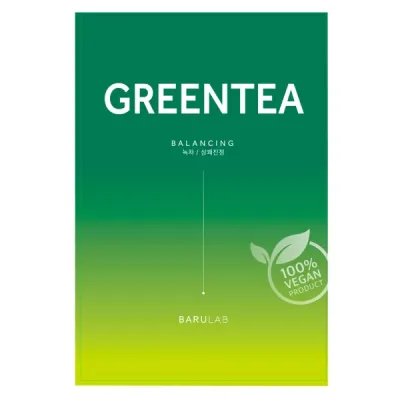 Barulab The Clean Vegan Mask - Green Tea from 2,99 €
 -
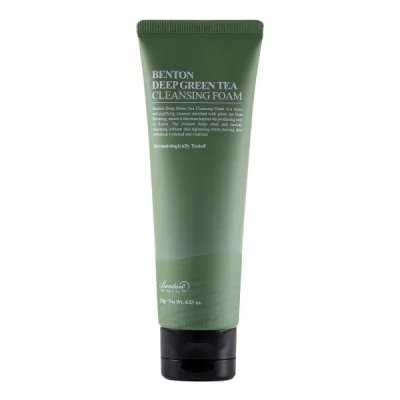 Benton Deep Green Tea Cleansing Foam from 14,99 €
 -
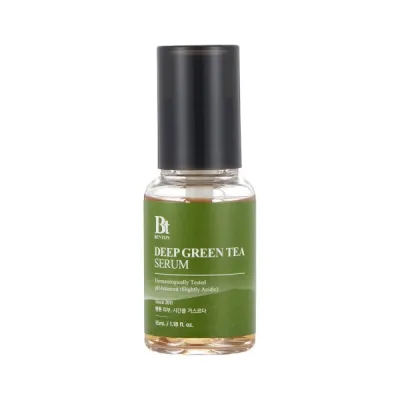 Benton Deep Green Tea Serum from 17,99 €
 -
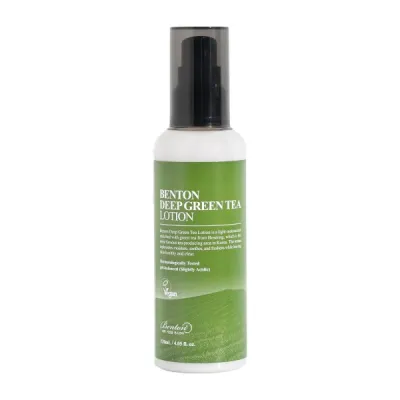 Benton Deep Green Tea Lotion from 18,99 €
 -
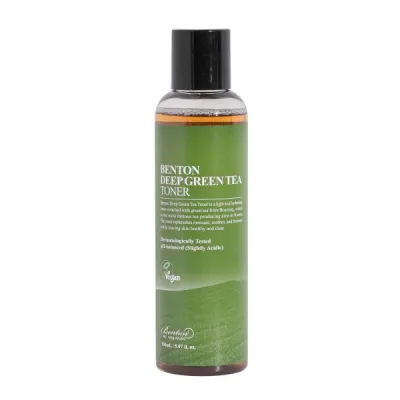 Benton Deep Green Tea Toner from 18,99 €
 -
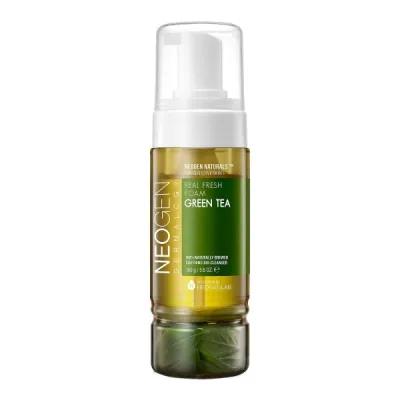 Neogen Dermalogy Real Fresh Foam Green Tea from 18,99 €
 -
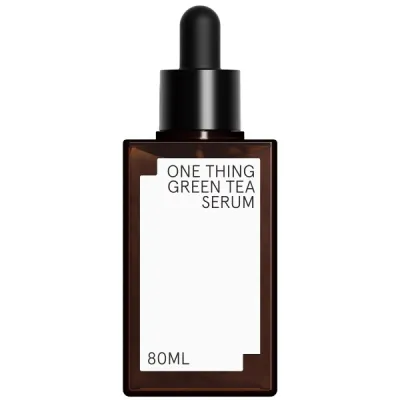 One Thing Green Tea Serum from 29,99 €
 - Ondo Beauty 36.5 Caffeine & Green Tea Antioxidant Eye Patches from 35,99 €
-
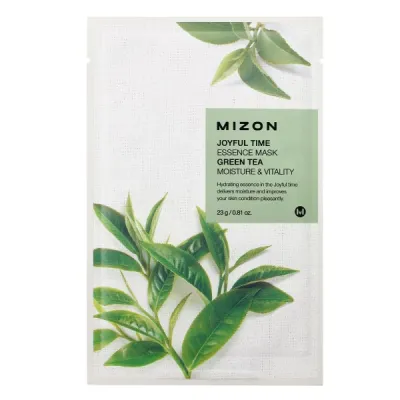 Mizon Joyful Time Essence Green Tea
 -
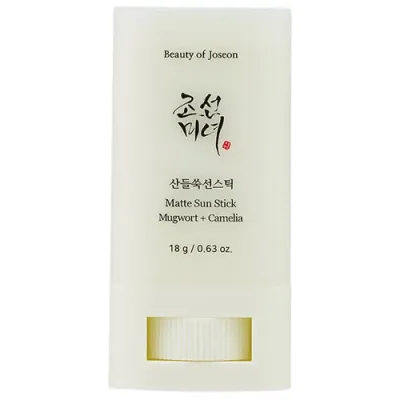 Beauty of Joseon Beauty of Joseon MATTE SUN STICK: MUGWORT + CAMELIA SPF50+ from 16,90 €
 -
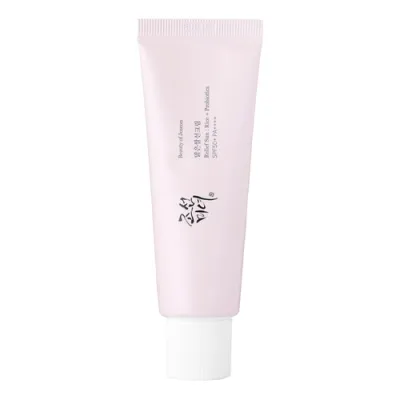 Beauty of Joseon Beauty of Joseon Relief Sun Rice Probiotics SPF50+ PA++++ from 18,99 €