Hyaluronic acid
Humectant: attracts and holds water in the skin. Immediate hydration.
What the evidence says
Effective, well-tolerated hydrator; surface effect, not deep anti-aging.
How to use it
Apply it on damp skin (right after cleansing or toner) and always seal it with a moisturizer: as a humectant it attracts water, and in very dry air it can pull it from your own skin if left uncovered. Works morning and night and fits any routine.
What it pairs with
The most compatible active there is: it pairs with niacinamide, vitamin C, retinoids and exfoliants with zero conflicts. It actually helps skin tolerate the more irritating actives.
Frequently asked questions
How often should you apply hyaluronic acid?
Morning and night if you like — there is no adjustment period and no cumulative irritation. The only rule that matters is moisture: apply it to still-damp skin and seal it with a moisturizer. On dry skin in dry air it can do the opposite and leave you feeling tighter.
Is an expensive hyaluronic acid serum worth it?
Rarely. It is a cheap, stable ingredient with no meaningful patents: the gap between an €8 serum and a €60 one is seldom the hyaluronic acid itself but the rest of the formula, the texture and the brand. If hydration is what you are after, look at the price per millilitre before the molecular-weight claim.
What does hyaluronic acid do for your face?
It's a humectant: a molecule that attracts and holds water (up to about 1,000 times its weight). On the face it gives immediate hydration and a temporary plumping effect that softens fine lines caused by dehydration.
Does hyaluronic acid remove wrinkles?
No. As a topical it hydrates the surface layers and temporarily plumps the skin, making wrinkles less visible while you use it — but it doesn't remodel skin the way retinoids do. The true "filler" effect only comes from injectables.
High or low molecular weight: which is better?
They do different things. High molecular weight sits on the surface forming a hydrating, soothing film; low molecular weight penetrates a bit further and hydrates deeper into the epidermis. The best serums (including many K-beauty ones) combine several weights.
Is it OK for oily or acne-prone skin?
Yes. It's lightweight, non-comedogenic and hydrates without adding oil — exactly what dehydrated oily skin (which overproduces sebum to compensate) needs.
Products with hyaluronic acid in the comparator
-
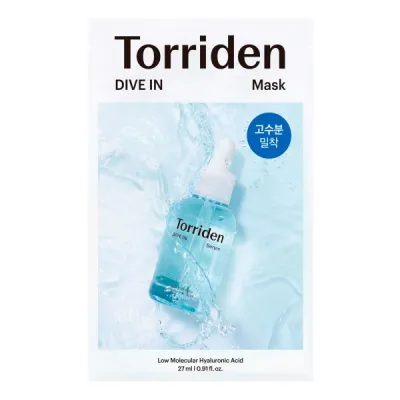 Torriden DIVE-IN Hyaluronic Acid Mask from 2,99 €
 -
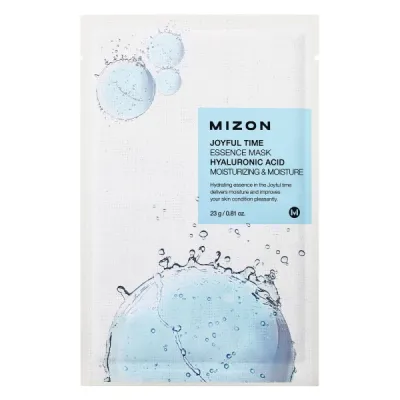 Mizon Joyful Time Essence Hyaluronic Acid from 2,99 €
 -
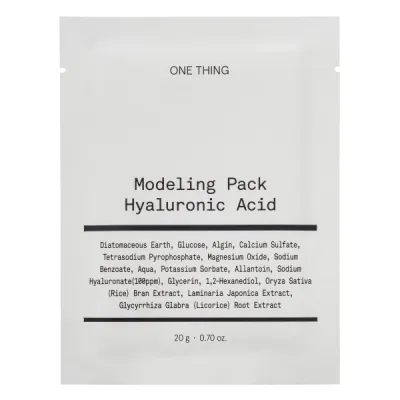 One Thing Hyaluronic Acid Modeling Pack from 3,45 €
 -
 Ondo Beauty 36.5 Hyaluronic Acid & Algae Moisture Boosting Mask from 3,99 €
 -
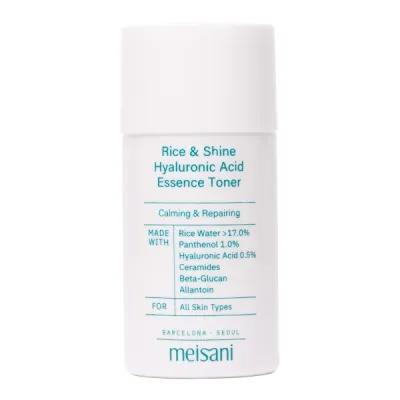 Meisani Rice And Shine Hyaluronic Acid Essence Toner from 7,99 €
 -
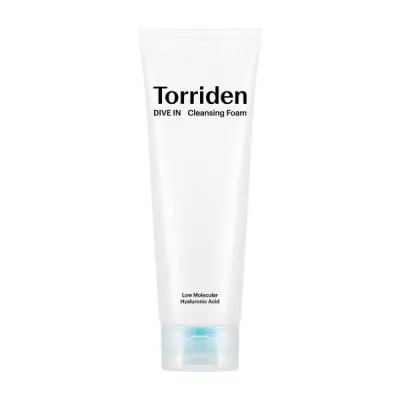 Torriden DIVE-IN Hyaluronic Acid Cleansing Foam from 13,99 €
 -
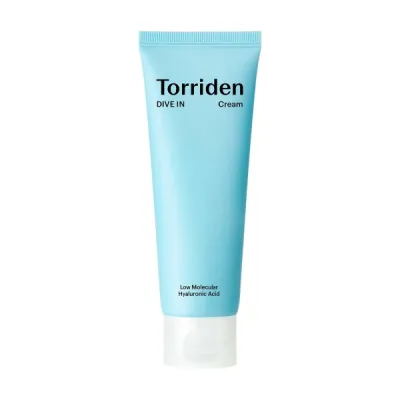 Torriden DIVE-IN Hyaluronic Acid Cream from 16,99 €
 -
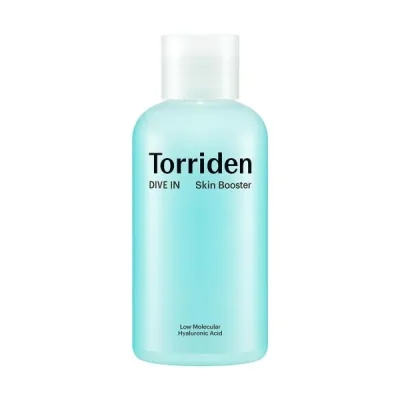 Torriden DIVE-IN Hyaluronic Acid Skin Booster from 16,99 €
 -
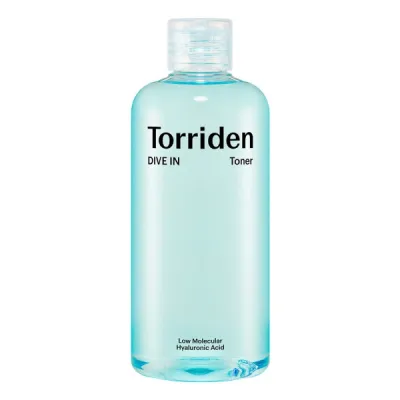 Torriden DIVE-IN Hyaluronic Acid Toner from 16,99 €
 -
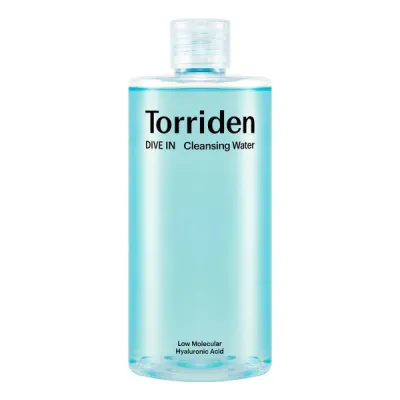 Torriden DIVE-IN Hyaluronic Acid Cleansing Water from 17,99 €
 -
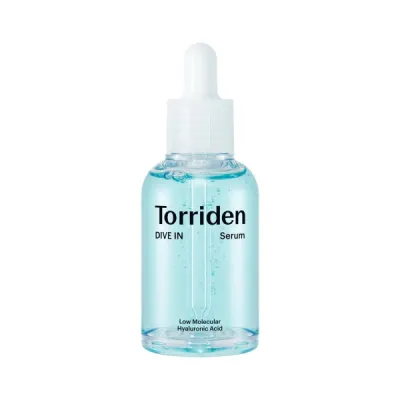 Torriden DIVE-IN Hyaluronic Acid Serum from 17,99 €
 -
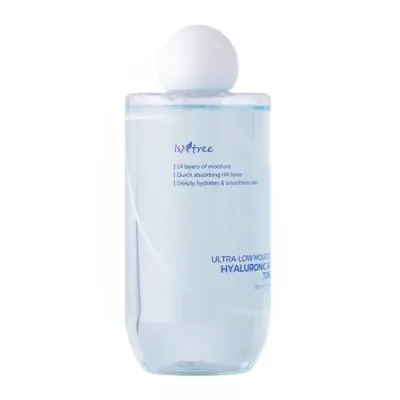 Isntree Ultra Low Molecular Hyaluronic Acid Toner from 18,50 €