Niacinamide
Regulates oil, reduces pores, fades dark spots and strengthens the barrier.
What the evidence says
One of the most studied actives; effective at 2–5%. Multiple human trials.
How to use it
Morning and night, on clean skin, before moisturizer. It's one of the best-tolerated actives out there: no photosensitivity, no adjustment period. Consistency (weeks, not days) is what delivers results on pores and spots.
What it pairs with
Pairs with practically everything: retinoids (it reduces their irritation), vitamin C, hyaluronic acid and exfoliants. It's the ideal "bridge" active to build a routine around.
Frequently asked questions
How long does niacinamide take to work?
Four to eight weeks of daily use for marks and uneven tone, and roughly two to four weeks for barrier comfort and less shine. If nothing has changed after three months, the problem is not consistency: the product probably contains too little, or your goal needs a different active.
What does niacinamide do?
It's a form of vitamin B3 with four well-documented effects: it regulates sebum production, reduces the look of pores, fades dark spots and strengthens the skin barrier (boosting ceramide synthesis). That's why it appears in so many K-beauty serums and toners.
What percentage of niacinamide is best?
The clinical studies were mostly done at 2–5%, and that's where the evidence is. 10–20% concentrations are marketing: there's no proof they add benefit, but they do add risk of irritation and flushing.
Can I combine niacinamide with vitamin C?
Yes. The supposed incompatibility is a myth based on outdated lab conditions. With modern formulas they can be used together — in fact many brands combine them in the same product to target spots and tone.
Products with niacinamide in the comparator
-
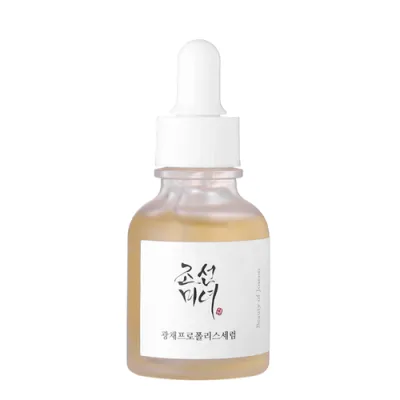 Beauty of Joseon Beauty of Joseon Glow Serum- Propolis + Niacinamide from 15,50 €
 -
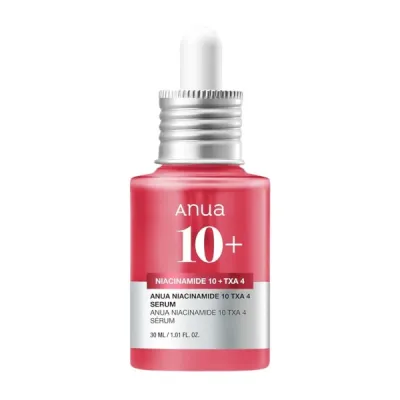 Anua Anua Niacinamide 10 + TXA 4% Serum from 22,90 €
 -
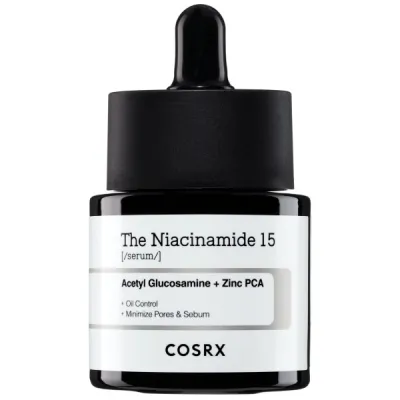 COSRX The Niacinamide 15 Serum from 22,90 €
 -
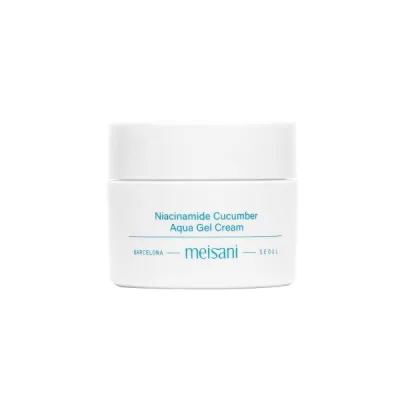 Meisani Niacinamide Cucumber Aqua Gel Cream from 5,99 €
 -
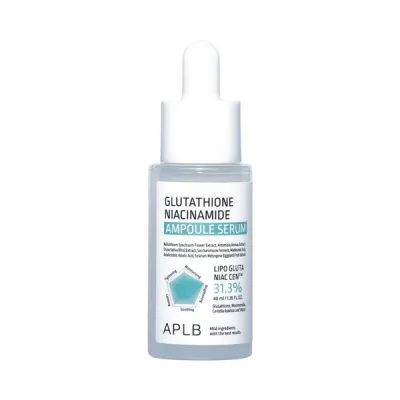 APLB Glutathione Niacinamide Ampoule Serum from 10,99 €
 -
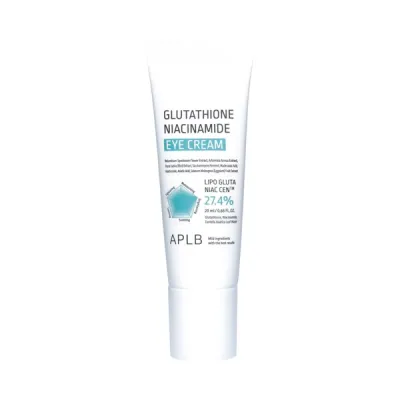 APLB Glutathione Niacinamide Eye Cream from 10,99 €
 -
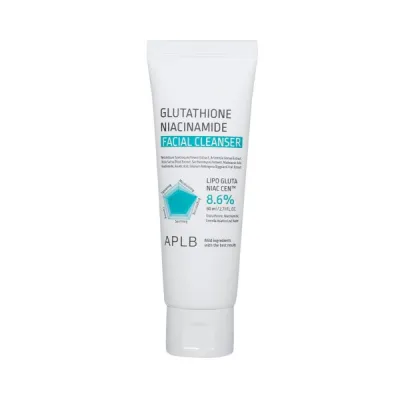 APLB Glutathione Niacinamide Facial Cleanser from 10,99 €
 -
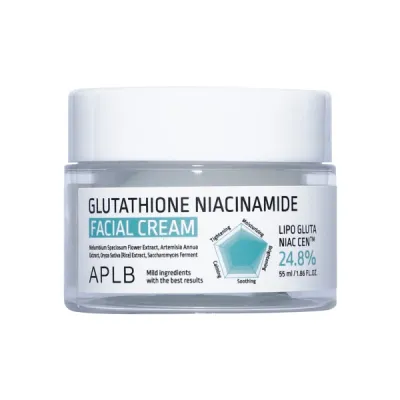 APLB Glutathione Niacinamide Facial Cream from 10,99 €
 -
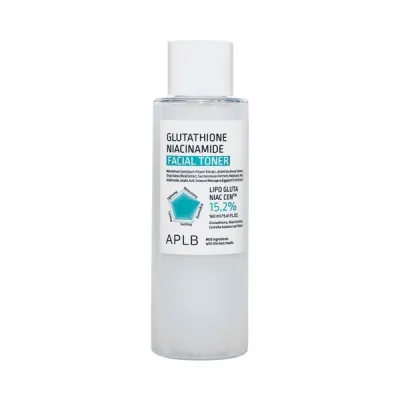 APLB Glutathione Niacinamide Facial Toner from 10,99 €
 -
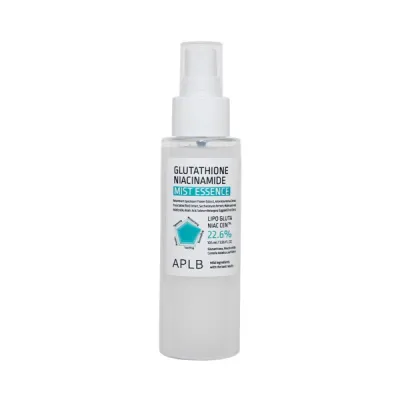 APLB Glutathione Niacinamide Mist Essence from 10,99 €
 -
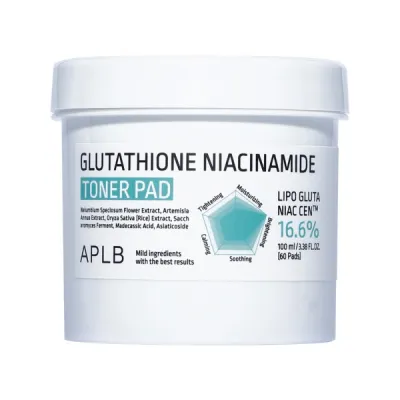 APLB Glutathione Niacinamide Toner Pad from 10,99 €
 -
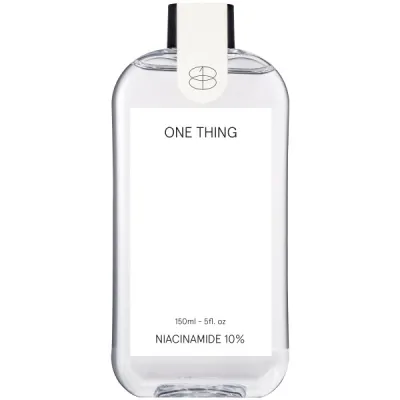 One Thing Niacinamide 10% from 19,99 €