Retinoids (retinal/retinol)
Speed up cell turnover: wrinkles, texture, tone and acne.
What the evidence says
The topical anti-aging gold standard, with decades of clinical evidence.
How to use it
Night only, on dry skin, starting with a low concentration 2 nights per week. Expect mild irritation the first weeks ("retinization") — it's normal. Increase frequency slowly and wear sunscreen every morning, no exceptions.
What it pairs with
Pairs well with niacinamide, hyaluronic acid, ceramides and adenosine (all reduce its irritation). Avoid the same night as AHA/BHA or pure vitamin C. The "sandwich method" (moisturizer–retinoid–moisturizer) helps sensitive skin.
Frequently asked questions
Retinol vs retinal: what's the difference?
Both are cosmetic retinoids your skin converts into retinoic acid (the active form). Retinal (retinaldehyde) is one conversion step closer, so it works faster at equal concentration — which is why recent K-beauty has embraced it. Retinol has the longer study track record.
How do I start retinol without irritation?
Start with 0.1–0.3% (or retinal at 0.05–0.1%), 2 nights a week, a pea-sized amount for the whole face. If your skin is sensitive, apply it between two layers of moisturizer. Wrinkle results take 8–12 weeks — patience is part of the protocol.
Can I use retinoids during pregnancy?
No. As a precaution, all retinoids (including cosmetic ones like retinol and retinal) are advised against during pregnancy and breastfeeding. Safe alternatives for this stage are bakuchiol, adenosine and niacinamide.
Products with retinoids (retinal/retinol) in the comparator
-
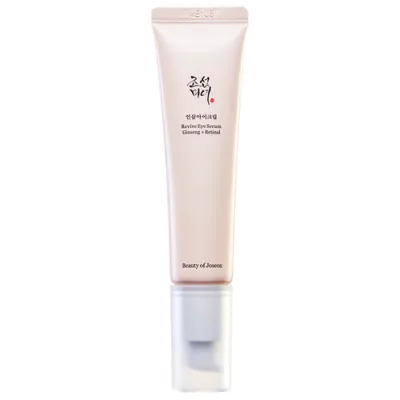 Beauty of Joseon Beauty of Joseon Revive Eye Serum: Ginseng+Retinal from 14,50 €
 -
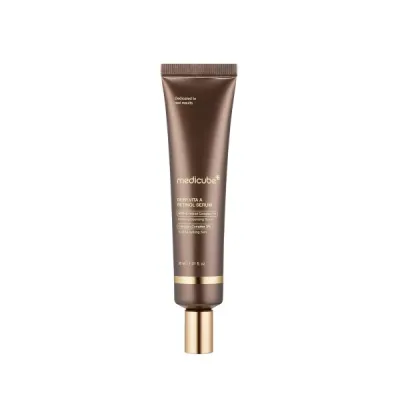 Medicube Medicube DEEP VITA A RETINOL SERUM from 26,90 €
 -
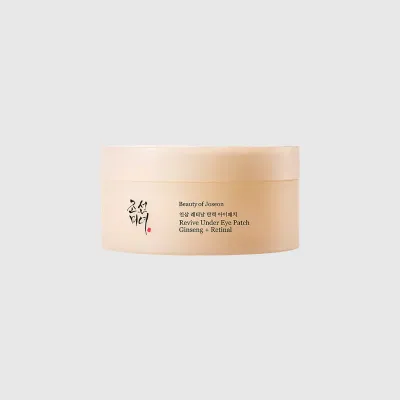 Beauty of Joseon Beauty of Joseon Revive Under Eye Patch Ginseng + Retinal from 15,90 €
 -
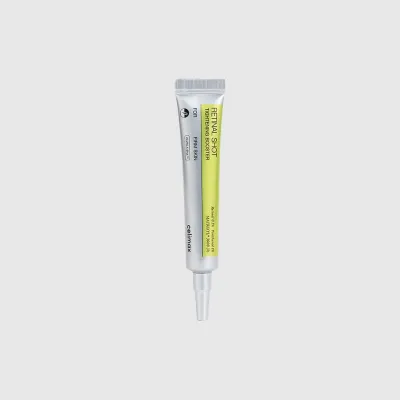 celimax THE -A Retinal Shot Tightening Booster from 17,90 €
 -
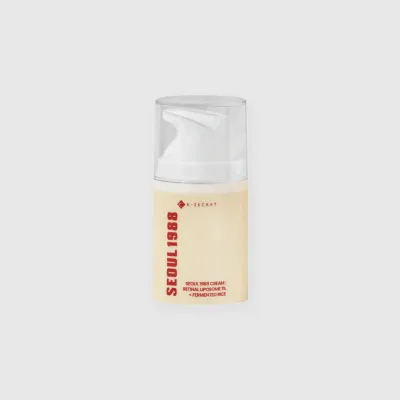 K-SECRET SEOUL 1988 Retinal Liposome 1% + Fermented Rice Cream from 19,90 €
 -
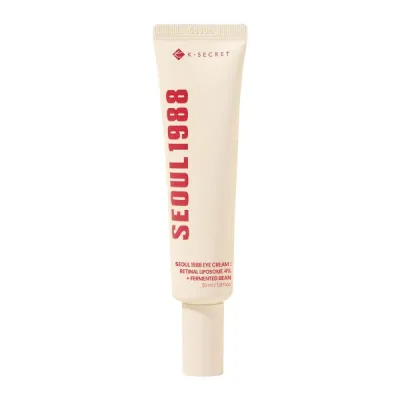 SEOUL 1988 by K-SECRET Eye Cream : Retinal Liposome 4% + Fermented Bean from 19,99 €
 -
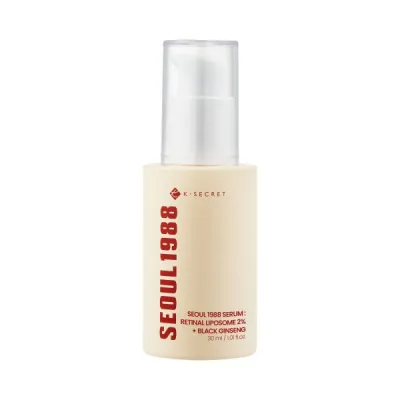 SEOUL 1988 by K-SECRET Serum : Retinal Liposome 2% + Black Ginseng from 19,99 €
 -
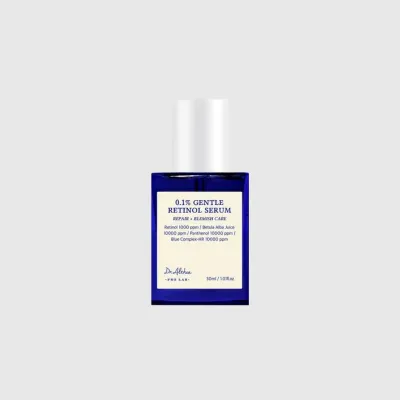 Dr.Althea 0.1% Gentle Retinol Serum from 21,90 €
 -
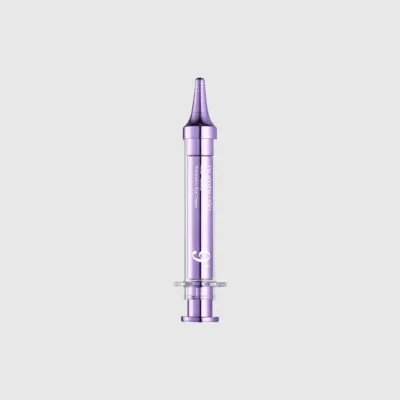 Numbuzin numbuzin No.9 NAD Retinol Volumetox Eye Cream from 21,90 €
 -
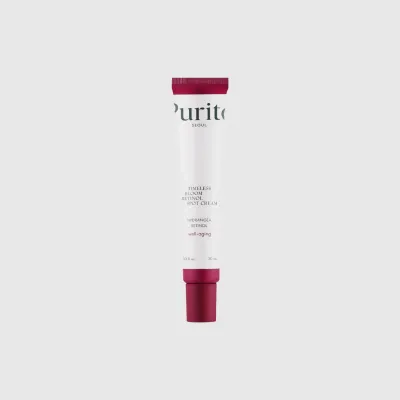 Purito Seoul Purito Seoul Timeless Bloom Retinol Spot Cream from 21,90 €
 -
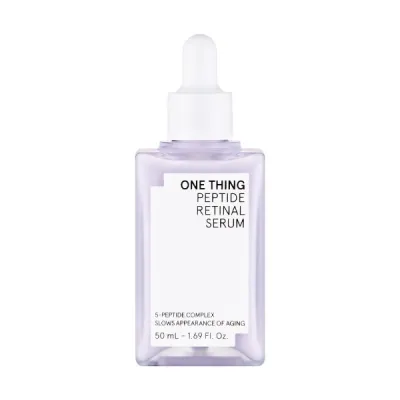 One Thing Peptide Retinal Serum from 21,99 €
 -
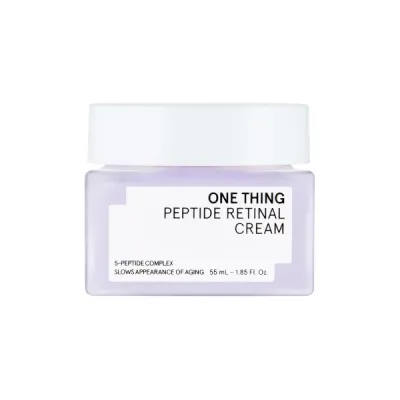 One Thing Peptide Retinal Cream from 22,99 €