Vitamin C
Antioxidant; brightens, evens tone and supports collagen synthesis.
What the evidence says
Effective but unstable; L-ascorbic acid at 10–20% is the best-proven form.
How to use it
In the morning, on clean skin, before moisturizer and sunscreen: as an antioxidant it complements SPF by neutralizing the free radicals that sun and pollution generate through the day. Keep the serum sealed, dark and cool — the pure form oxidizes with light and air.
What it pairs with
Pairs very well with sunscreen (additive photoprotection), vitamin E and ferulic acid (which stabilize it) and niacinamide. Avoid using it in the same session as strong exfoliants or retinoids if your skin is sensitive.
Frequently asked questions
Which form of vitamin C is best?
L-ascorbic acid at 10–20% is the form with the most clinical evidence, but it's unstable and can irritate. Derivatives (ascorbyl glucoside, 3-O-ethyl ascorbic acid — common in K-beauty) are more stable and gentler, in exchange for less direct evidence.
Vitamin C in the morning or at night?
Morning gets the most out of its antioxidant role: under sunscreen, it helps neutralize UV and pollution damage. It also works at night for dark spots and tone — consistency is what matters.
Can I combine vitamin C with niacinamide?
Yes. The supposed incompatibility comes from 1960s studies using unstabilized forms at high temperatures. With modern formulas they can be used together without issue, and their effects on spots and tone are complementary.
How do I know if my vitamin C serum has oxidized?
By its color: if an L-ascorbic acid serum turns from clear or pale yellow to dark orange or brown, it has oxidized and lost much of its potency. Time to replace it.
Products with vitamin c in the comparator
- Aromatica AROMATICA Rosemary Root Enhancer from 9,99 €
-
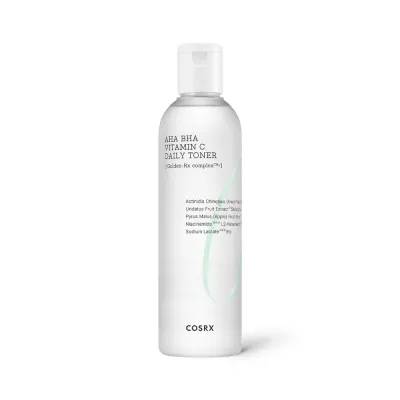 COSRX Cosrx refresh aha bha vitamin c daily toner 150 ml from 14,95 €
 -
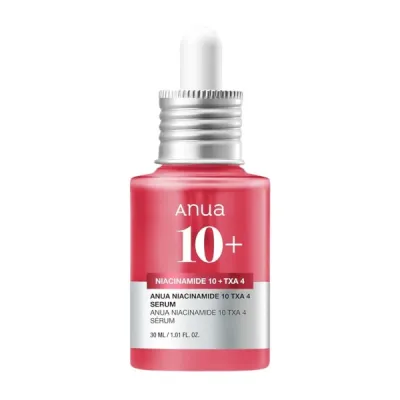 Anua Anua Niacinamide 10 + TXA 4% Serum from 22,90 €
 -
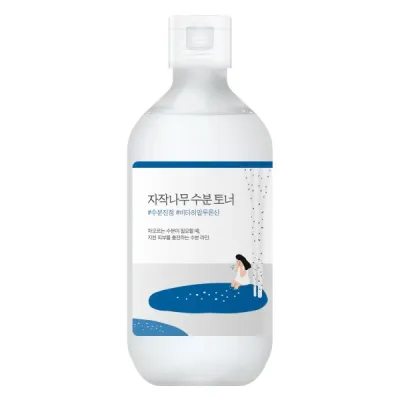 Round Lab Round Lab Birch Juice Moisturizing Toner from 23,90 €
 -
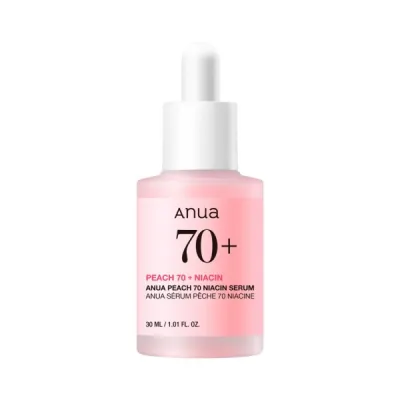 Anua Anua Peach 70% Niacinamide Serum from 24,90 €
 -
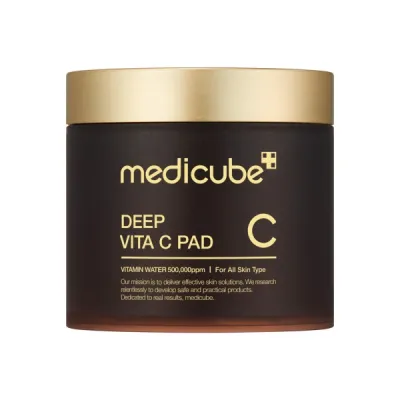 Medicube medicube Deep Vita C Pad from 25,90 €
 -
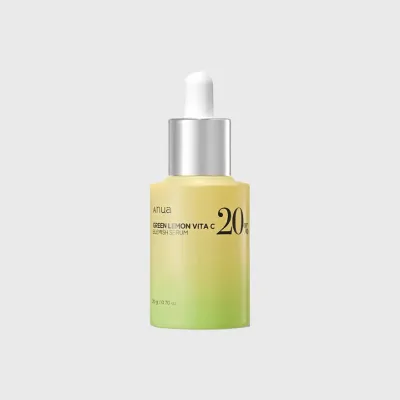 Anua Anua Green Lemon Vita C Blemish Serum 20% from 28,90 €
 -
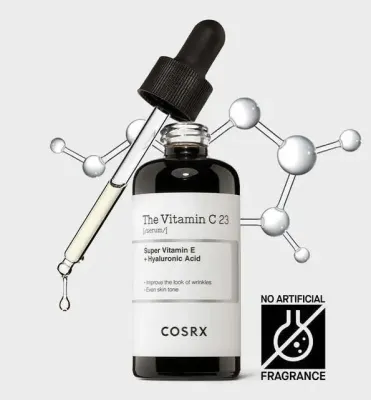 COSRX The Vitamin C 23 Serum
 -
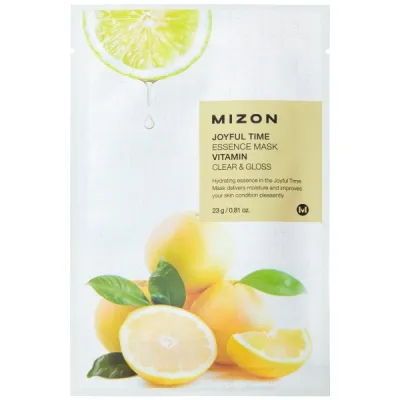 Mizon Joyful Time Essence Vitamin from 2,99 €
 -
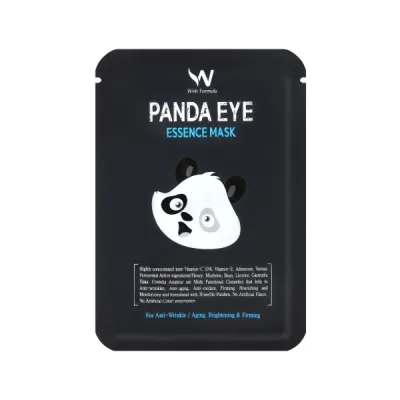 Wish Formula Panda Eye Essence Mask from 2,99 €
 -
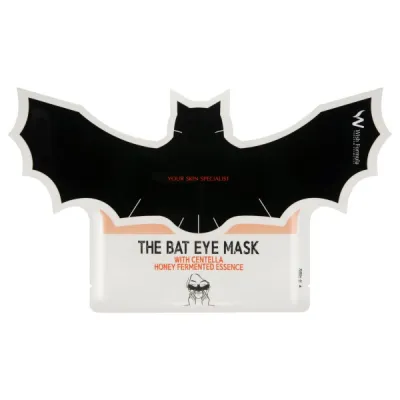 Wish Formula Bat Eye Mask from 3,99 €
 -
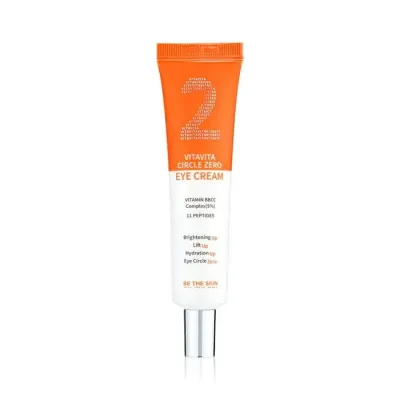 Be The Skin Vitavita Circle Zero Eye Cream from 18,90 €